


This article was last updated on August 07, 2026
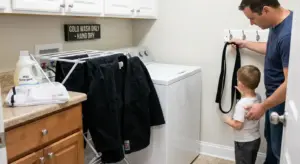
Table of Contents
- Quick Answer: The Safest Way to Wash a Kids Karate Gi
- Why Proper Karate Uniform Care Matters Beyond Looking Clean
- Step-by-Step: How to Wash a Karate Gi Without Shrinking It
- Pre-Treating Sweat Stains and Odors Without Damaging the Uniform
- Drying Your Martial Arts Uniform Without Shrinking It
- Should You Wash a Martial Arts Belt?
- Empowering Your Child to Take Charge of Their Gear
- Common Karate Gi Mistakes Parents Should Avoid
- Next Steps for Inspire Martial Arts Parents
- FAQ Section
You pulled the gi out of the dryer and it looks like it belongs to a much smaller child. The sleeves ride up, the pants stop at the ankle, and class is in an hour. Every karate parent hits this wall at least once, usually the hard way.
Key Takeaways
- Wash a kids karate gi in cold water on a gentle cycle with mild detergent, skip bleach and fabric softener, then hang dry to prevent shrinking.
- Heat is the number one cause of a shrunken gi, so avoid the dryer whenever possible, especially with cotton or cotton-blend uniforms.
- Do not wash the karate belt. Tradition treats the belt as a record of rank and effort, so spot clean it only when necessary.
- Involving your child in washing, hanging, and folding their own gi turns uniform care into a simple responsibility habit.
Quick Answer: The Safest Way to Wash a Kids Karate Gi
The safest method is straightforward and forgiving. Turn the gi inside out, wash it in cold water on a gentle cycle with a mild detergent, and leave the bleach and fabric softener in the cabinet. Reshape the jacket and pants while they are still damp, then hang everything to dry instead of tossing it in the dryer. Cold water and air drying protect the fabric, the fit, and the patches all at once. That single change from hot to cold, and from dryer to hanger, prevents most of the shrinking problems parents run into.
Karate Gi Washing Checklist for Busy Parents
Keep this list on your phone or taped inside the laundry room cabinet:
- Cold water only
- Gentle or delicate cycle
- Mild detergent, no bleach
- No fabric softener
- Wash whites separately from colors
- Check patches for loose edges first
- Hang dry, never the dryer
Why Proper Karate Uniform Care Matters Beyond Looking Clean
A clean, crisp gi does more than pass the eye test at the dojo door. It signals that your child takes the class seriously, respects the instructor, and shows up ready to work. Parents in North Royalton notice that pride carries over. One local mom described how her daughter, who once struggled with self-control and following directions, now takes real ownership of her routine and makes sure her gi is crisp and ready for her next class. That shift from resistance to pride is one of the quieter life lessons kids learn in martial arts, and it starts with something as small as a laundry habit.
A Clean Gi Teaches Pride, Respect, and Dojo Etiquette
Dojo etiquette runs deeper than bowing at the door. A clean white karate uniform tells the instructor and training partners that your child respects the shared space and their own effort. The uniform patches carry the school’s identity, so keeping them intact matters too. When kids understand that a fresh gi is part of showing up right, they start connecting appearance with attitude.
Teaching Discipline Through Gear Maintenance
Handing your child part of the laundry job pays off beyond the wash. Researchers with Harvard’s Making Caring Common project have found that regular chores and shared household responsibilities help kids build accountability and a sense of contribution. Washing, hanging, and folding a gi is a low-stakes way to put that into practice. It is also one of the more proven ways to teach responsibility without turning it into a lecture.
Step-by-Step: How to Wash a Karate Gi Without Shrinking It
This is the core routine. Follow it in order and the gi holds its size, color, and shape for far longer. The whole thing takes about the same effort as any other load of laundry, with a few small rules that make the difference. Cold water, a gentle cycle, mild detergent, no bleach, no fabric softener, a quick reshape, and a hanger. That sequence is your insurance against a shrunken uniform.
Step 1: Check the Care Label, Patches, and Belt
Start by reading the care label sewn inside the jacket, since fabric blends vary. Inspect the patches for any loose or lifting edges so they do not tear in the wash. Remove the belt completely before the gi goes anywhere near water. If you are unsure about a school-specific rule, the Inspire Martial Arts staff can confirm it in a quick conversation.
Step 2: Wash the Gi in Cold Water on a Gentle Cycle
Cold water is the single biggest defense against both shrinking and fading. Set the machine to a gentle or delicate cycle to reduce stress on the seams. Wash a white gi on its own or with similar whites, because loose dye and lint from colored clothes will dull that clean look fast.
Step 3: Use Mild Detergent and Skip Bleach
A mild detergent handles sweat and grime without punishing the fabric. Can you use bleach on a karate gi? Better not to. Bleach weakens cotton fibers over time, yellows white fabric with repeated use, and can eat away at embroidery and patches. Stick with a gentle, everyday detergent and the gi stays whiter longer.
Step 4: Reshape the Gi Before Drying
Wet fabric holds whatever shape you leave it in. Smooth out the sleeves, straighten the pant legs, and flatten the lapels and seams before you hang it. Two minutes of reshaping keeps the uniform looking neat and saves you from ironing later.
Pre-Treating Sweat Stains and Odors Without Damaging the Uniform
Kids sweat, and a gi that gets real use will pick up stains and smells. The good news is you can handle almost all of it with basic supplies already in your kitchen. The trick is treating problem spots gently before the wash, not scrubbing aggressively after the fact. Harsh treatment does more harm to the fabric and patches than the stain ever would.
How to Remove Sweat Stains from a Martial Arts Uniform
For sweat stains, pre-treat the area with a little mild detergent or a baking soda paste before washing. Let it sit for a few minutes to loosen the buildup. If the care label allows, an oxygen-based stain treatment works well on white cotton. Keep the scrubbing light around any patches so you do not fray the edges.
How to Get Odor Out of a Karate Gi
For stubborn odor, a diluted white vinegar soak before the regular wash can help neutralize the smell. Rinse the gi thoroughly afterward so no vinegar scent lingers. Never mix vinegar with bleach, since that combination releases dangerous fumes.
What to Do If the Gi Still Smells After Washing
A lingering smell usually means the gi went into the bag or drawer before it fully dried. Damp cotton breeds that musty mildew odor quickly. Make sure the uniform is completely dry before it gets packed, which takes longer during Northeast Ohio winters when everything dries indoors.
Drying Your Martial Arts Uniform Without Shrinking It
Drying is where most gis meet their end. The washing machine rarely shrinks a uniform on cold; the dryer does the damage. Understanding that one fact changes how you handle the whole process. Air drying takes a bit of planning, but it costs the gi nothing in size or lifespan.
Can You Put a Karate Gi in the Dryer?
Avoid the dryer whenever you can. High heat is the biggest shrinkage risk for a karate gi, and cotton or cotton-blend uniforms are especially prone to tightening up. If you absolutely must use it, choose the lowest heat or air-only setting and pull the gi out while it is still slightly damp.
Best Way to Air Dry a Kids Karate Gi
Hang the jacket on a sturdy hanger and drape the pants over a rack in a well-ventilated spot. Good airflow speeds things up and keeps odors from setting in. During Ohio winters, indoor drying runs slow, so wash the gi earlier in the evening or the day before class to give it enough time.
What If You Need the Gi Dry Before Class?
Short on time? Roll the damp gi in a clean, dry towel and press to pull out excess water, then hang it in front of a fan. Skip the high heat shortcut. And if the uniform comes out no longer fitting right, contact the front desk about sizing before class.
Should You Wash a Martial Arts Belt?
This one surprises new parents. The short answer is no, you generally do not wash the karate belt. It is not about hygiene alone; it is a long-standing tradition rooted in respect for the rank the belt represents. Understanding why helps your child value what they have earned.
Why Many Martial Arts Schools Avoid Washing Belts
Many schools treat the belt as a physical record of a student’s effort and progress. The tradition holds that washing it symbolically washes away the work behind it. You do not need to over-romanticize the idea, but honoring it teaches kids that some things are earned and worth respecting.
When Spot Cleaning a Belt May Be Appropriate
Practicality still matters. If the belt is visibly dirty or picks up a hygiene issue, spot clean it gently with a damp cloth and let it air dry. When in doubt, ask the Inspire Martial Arts staff for the school’s specific guidance.
Empowering Your Child to Take Charge of Their Gear
Handing over the gi routine builds more than clean laundry. It gives kids a small, repeatable job they can own from start to finish. Parents in North Royalton describe exactly that shift. One local dad noted that since starting at Inspire, Master Chris and the team instilled such a sense of duty in his son that the boy now folds his own uniform and packs his gear bag without being nagged, and his focus on homework improved along the way. Building healthy weekly practice habits works the same way, one consistent routine at a time.
A Simple Gi-Care Routine Kids Can Follow
Give your child a clear, five-step loop they can memorize: unpack the gear bag after class, drop the gi in the laundry, help hang it to dry, fold it once it is dry, and pack it before the next session. Simple, visible, and repeatable. Kids follow routines they understand.
The Cognitive Benefits of Martial Arts Routines
These small routines connect to bigger gains. Research shared through the National Institutes of Health links martial arts training to better self-regulation, discipline, and executive-function skills in kids and teens. Showing up prepared with a clean uniform is part of that same self-management muscle. If you want a fuller picture of the early journey, our guide on what to expect as a new karate parent walks you through it.
Turning Uniform Care Into a Confidence Habit
Small tasks done well make kids feel capable. When a child knows their gi is clean, folded, and ready, they walk into class without that low-grade worry of being unprepared. That readiness quietly feeds confidence, which is a big part of why martial arts helps kids grow.
Common Karate Gi Mistakes Parents Should Avoid
Knowing what to skip is as useful as knowing what to do. A few common slip-ups undo all the careful washing in a single load. Most of them come down to heat, chemicals, or leaving the gi damp too long. Here is what to watch for.
Washing the Belt With the Gi
The belt does not belong in the wash. Remove it every time and handle it separately according to your instructor’s guidance. Tossing it in with the gi is the most common first-timer mistake.
Using Hot Water or High Heat
Hot water and dryer heat are the fastest route to a shrunken uniform. Cotton gis are especially sensitive. Keep the water cold and the drying cool.
Leaving a Wet Gi in the Gear Bag
A damp gi sealed in a bag turns musty fast. On a packed North Royalton school-week schedule, it is easy to forget the uniform in the bag until the smell reminds you. Dry it fully before it gets packed.
Overusing Bleach or Fabric Softener
Bleach breaks down fabric and damages patches, while fabric softener leaves a residue that affects how the gi feels and breathes. Neither belongs in the routine. A mild detergent does the whole job.
Next Steps for Inspire Martial Arts Parents
Clean uniform care comes down to a handful of habits: cold water, no bleach, no dryer, and a child who slowly learns to own the routine. Do those consistently and the gi lasts, the patches stay sharp, and your kid shows up looking and feeling ready. The laundry is small, but the discipline behind it is exactly what martial arts is teaching in the first place.
If you are ever unsure whether your child’s gi still fits or meets class expectations, bring it in and ask Master Chris or the Inspire Martial Arts team in North Royalton before or after class. A two-minute conversation at the front desk can save you a scramble on class night.
Ask About Uniform Fit, Patches, and Class Readiness
Not sure if the gi has shrunk past the point of use, or whether a lifting patch needs attention? Bring it by and ask the team before class. They can check the fit and point you toward the right size if it is time to size up.
Keep the Routine Simple for School Nights
Keep it easy on busy weeks: wash early, hang dry overnight, and pack the bag before bedtime. Let your child handle their share of the steps. Over time, uniform care stops being your chore and becomes part of their own martial arts routine.
FAQ Section
How often should I wash my child’s karate gi?
Wash the gi after every sweaty class, or at minimum often enough that it stays clean and fresh. A uniform worn two or three times a week generally needs washing after each session. Showing up in a clean gi is part of respecting the class.
Can I wash a karate gi with regular clothes?
It is best to wash a white gi separately or with similar whites. Colored clothing can transfer dye and lint that dull or discolor the uniform. If you must combine loads, at least keep it with other light-colored, low-lint items.
Can I use bleach on a white karate gi?
Avoid bleach on a karate gi. It weakens the cotton fibers over time, can yellow the white fabric with repeated use, and damages embroidery and school patches. A mild detergent, and an oxygen-based treatment for tough stains, keeps whites bright without the damage.
How do I keep my child’s gi from shrinking?
Stick to cold water on a gentle cycle, reshape the gi while damp, and hang it to dry instead of using the dryer. Heat is the main cause of shrinking, so keeping both the wash and dry cool protects the fit. These few habits handle nearly all shrinkage problems.
What should I do if my child’s gi shrinks or no longer fits?
If the gi has shrunk or your child has outgrown it, talk to the Inspire Martial Arts front desk or instructor about sizing and replacement options in North Royalton. They can check the current fit and recommend the right size. It is worth confirming before class so your child is not stuck in a uniform that no longer works.
Is it okay to iron a karate gi?
Yes, you can iron a gi to keep it crisp, but use a low heat setting and iron the uniform inside out. This protects the dojo patches from melting or peeling under direct heat. Ironing while the gi is slightly damp also makes wrinkles easier to remove.
Why does my child’s gi still smell after washing?
A gi that smells after washing was likely packed away before it fully dried, which lets mildew odor set in. Make sure the uniform is completely dry before storing it in a drawer or gear bag. A pre-wash white vinegar soak can also help neutralize deep-set sweat odor.