


This article was last updated on January 21, 2026
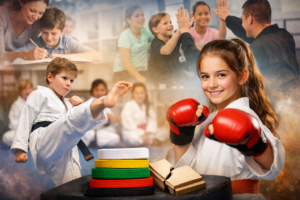
- The Parenting Problems Martial Arts Solutions
- Key Takeaways
- Benefit 1: Developing Confidence at a Lifetime Level by Achieving
- Benefit 2: Teaching Shy Kids to Find Their Voice and Social Skills
- Pro: Bully-Proofing but Not Endorsing Violence
- Benefit 4: Strength and Boundaries of Girls
- Benefit 5: Enhancing Sibling Dynamics and Family Relationships
- Benefit 6: Special needs Martial Arts such as ADHD and Focus issues
- Popular Dilemmas: Is Martial Arts Effective with My Child?
- Getting Started: Your Next Steps of Enrolling in Kids Martial Arts
- FAQs
Parenting in the present day implies fighting with the addiction to screens, anxiety at school, and peer pressure that is eroding their self-esteem. As a parent and the supporter of martial arts, I have witnessed the way in which the kids martial arts programs change shy children into strong and confident leaders. This paper dissects six benefits, supported by testimonials of parents and expert explanations, to determine whether it is the right choice to add to your family.
The Parenting Problems Martial Arts Solutions
Social-media scrolls, school pressures, and bullying are some examples of what modern children are constantly distracted by and that erode attention and respect. Martial arts is not just punching and kicking, it is a whole approach system that teaches discipline, respect, and inner strength. Plans such as age 4–6 (juniors) and 7–12 develop skills that will remain with them forever, such as being able to stand on their feet regardless of the bullies, or being able to focus on their tests and score above-average marks. If you want a deeper breakdown of these life skills, you can also explore “7 Things Kids Learn From Martial Arts”.
Key Takeaways
• Lifetime Confidence: Belts and challenges make kids develop an I can do hard things mindset, thus improving performance at school and home.
• Bully-Proofing: Learn how to defuse non-violence, display gentleness, and handle aggressiveness constructively.
• Attention SPD/ADHD Kids: Developing routines and exercise can be beneficial to children’s attention rather than overwhelming.
• Family Successes: Shy kids speak, girls draw boundaries, siblings connect with each other actual changes in 3–6 months.
Benefit 1: Developing Confidence at a Lifetime Level by Achieving
- Every parent will treasure that bike-riding milestone smile. Martial arts reenacts it over and over again. Children receive colored belts after mastering tricks, sparring, and board breaks; real conquests that scream victory.
- Continuous Improvements: White and black belt trips are years of practice, and they teach one to be decent and persistent.
- The effects of carryover: The confident children volunteer during the classes, perform impressive presentations, and attempt to explore new hobbies.
- About Parent Proof: One mother told me that her son had become terrified of recitals and that six months later he was taking the lead in a school play.
- This independent advancement outmuscles team sports in which children could be on the bench where they could get intrinsic motivation.
- To keep this progress strong at home too, “5 Ways to Create Healthy and Effective Practice Habits” can help families build simple routines that support consistent improvement
The Way Belt Progress Produces “I Can Do Hard Things” Mentality
Teachers divide the skills into small steps. A roundhouse kick nailed by a child? Striped applause and boldness on their harness. With time, this rewires their brain: the problems become an opportunity. Research (Journal of Applied Sport Psychology) supports these findings with an increased self-efficacy among young people. This growth mindset idea connects closely with “Developing a Growth Mindset in a Competitive World,” especially for kids who fear mistakes or give up too fast.
Benefit 2: Teaching Shy Kids to Find Their Voice and Social Skills
A shy personality isolates children and makes playing out with friends or attending classes agonizing. Martial arts is a push that is taken safely.
• Eye Contact Drills: Just start with the instructor greetings this creates poise.
• Kiai Shouts: Shouts of the spirits on high loosen the inhibitions (children love this).
• Partner Work: Teaching teamwork without anarchy.
Results? Timid children converse more readily, become friends, and spearhead demos. If your child struggles with big emotions while socializing, “How to Talk to Kids about Big Feelings and Calming Down” fits naturally with this part of the journey.
Little Bits of Confidence Builders in Class
Week 1: Bow and introduce yourself.
Month 2: Lead warm-ups.
By month 6: Perform solos.
A story of a mom: “My daughter does not want to meet strangers; after karate, she registered in the talent show. Happy tears all around.”
Benefit 3: Bully-Proofing but Not Endorsing Violence
Cyntoia victims are victims of the doubtful; martial arts inverts that. Children are taught to de-escalate (words, position, walk away) and only lastly to defend themselves.
• Quiet Confidence Projection: 90 percent of incidents are deterred by posture and eye contact.
• Verbal Tools: Scripts such as “Stop, that is not okay,” trained in the classroom.
• Aggression Outlet: Pad-kick your frustration out.
In the case of hot-tempered children, rules of respect make them controlled. For families that want a clear next step on this topic, “The Anti-Bullying Pledge” is a simple way to reinforce the same message at home and at school.
Targets and Aggressive Kids Strategies
Bullies are not the only ones that give targets value. Aggressive ones are putting their energy to a good use one father reported, “My son used to keep fights off; now he watches out for kids under ten.” The instructors demonstrate empathy, avoiding bully cycles.
Benefit 4: Strength and Boundaries of Girls
There is no reason to mention boys only dojos are dominated by girls. Achievement prevails over bulk, learning attitude over brawn.
• Equal Training: Break the stereotypes and train boys equally.
Boundary setting: “No” practice develops assertiveness in case of harassment.
• Physical Empowerment: Pins and throws are demonstrative.
One of the boys aged 10 commented that girls could not fight and I pinned one of them during sparring. Silence now.”
Rachel Barkow: Why Girls are better in martial arts training
Girls tend to excel in disciplined-oriented arts such as karate or taekwondo. It overcomes societal demands of being nice and leaders are nurtured. According to the data provided by USA Martial Arts, the retention among the girls is 20 percent higher because of the focus on empowerment.
Benefit 5: Enhancing Sibling Dynamics and Family Relationships
Constant bickering? Martial arts are brought together through common interests.
• Role Modeling: The elder siblings educate the younger about what to do, not teasing, but with pride.
• Joint Practice: Teamwork is developed in forms and tests.
• Home Spillover: Dojo honors replace Xbox fights.
• One family: “WWE in the living room to negotiated dispute massive score.”
The siblings will have a mutual respect, and the competition will decrease by 40 percent according to family surveys.
Benefit 6: Special needs Martial Arts such as ADHD and Focus issues
Form is an apt match to neurodiverse children line up, bow, drill.
• Ordinary Magic: Ordinary classes soothe hectic minds.
• Energy Burn: Vigorous exercises reduce hyperactivity.
• Individual pace: No bench-sitting; each lesson is taking you up.
It is not the team progress, but an individual one.
Actual Disparities between Team Sports
Team benches cultivate quitting; martial arts is against the self of yesterday. According to dojo research, parents report 70 percent attainment of attention in ADHD children.
Popular Dilemmas: Is Martial Arts Effective with My Child?
Treatment of ADHD, Sports Cessation, and Self-Defense Realities
• ADHD Fit: Yes it gets energy focused; homework concentration often shoots up.
• Quitters: They are addicted to personal objectives.
• Self-Defense Use: Uncommon, but knowledge raises posture bullies back off.
Getting Started: Your Next Steps of Enrolling in Kids Martial Arts.
Test drive a lesson feel it out.
What to Look for in a Dojo
• Licensed black-belt trainers.
Programs of different ages (4–6 juniors, 7–12 kids).
• Good-natured, non-intimidating culture.
North Royalton Martial Arts or 440-877-9112 (call Chris). Check Inspired Kids (4–6) or 7–12 Programs.
FAQs about 6 Amazing Benefits of Martial Arts for Children
Is martial arts useful in ADHD children?
Yes, the regulated exercise, the proper guidance, and physical activities assist in the energy expenditure and concentration enhancement. After 3 months of improved attention at school, many parents can see it; it is not as overwhelming as free play.
What is the benefit of martial arts to timid children?
It develops social skills by looking others in the eye, partner exercises, and shouting in the group such as kiai. Children eventually speak up, make friends, and lead turning wallflowers into members.
Is martial arts a deterrent to bullying?
Sure children are taught proper posture, verbal deflation, and simple self-defense, scaring bullies off but not hurting them. It also educates aggressors on how to control themselves through healthy channels.
Can it be said that martial arts is appropriate among girls?
Yes, girls will do well with the technical-based training with boys, and they will acquire power, limits, and equality. Dojos focus on empowerment, which is the effective countering of stereotypes.
Is my child going to really use self-defense skills?
Hope not the hope itself is the stay of most threats. Skills are the last resort, and it is used responsibly, with words as the first priority.
What is the difference between martial arts and team sports among quitters?
It is the individual development (belts vs. teams), no bench time, and self-competition (to have kids involved more in making wins that are achievable).
At what age do kids beg to start martial arts?
4–6 year-olds (juniors programs), 7–12 more serious skills. Begin with a practice session to fit preparation.